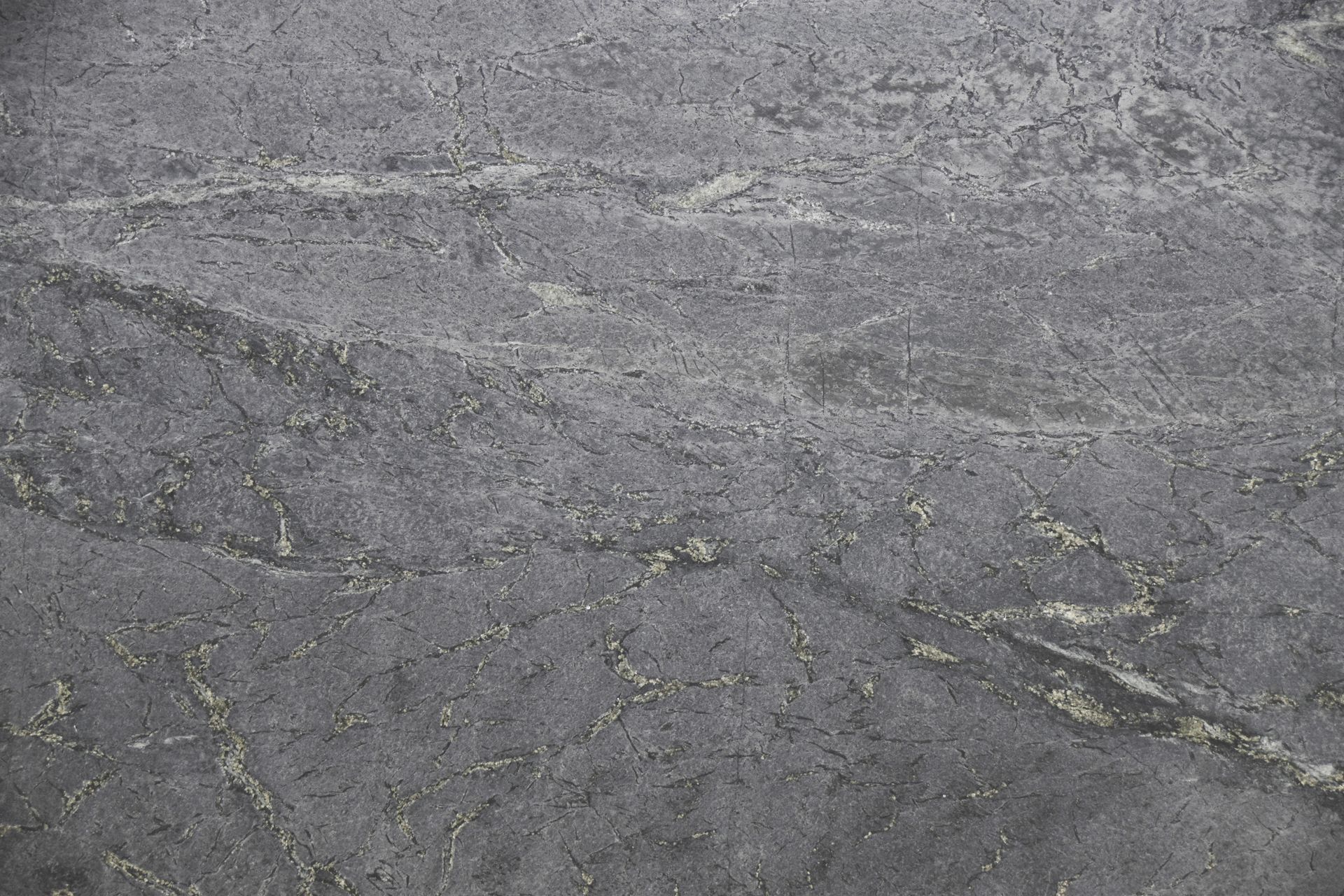
Quartzite is a popular choice for homeowners who want natural stone countertops that combine durability with timeless beauty. Its distinctive veining, elegant colors, and impressive hardness make it an attractive option for kitchens and bathrooms. However, despite its strength, quartzite is not completely immune to staining. Liquids, oils, and acidic substances can affect its appearance if the surface is not properly maintained.
Fortunately, proper sealing can help protect quartzite countertops from everyday spills and discoloration. Understanding how quartzite behaves, which sealers work best, and how frequently to maintain the surface can help homeowners preserve their investment.
What Makes Quartzite Countertops Unique?
Quartzite is a natural metamorphic stone formed when sandstone undergoes intense heat and pressure over time. This geological process transforms the original material into a dense, hard stone composed primarily of quartz. The result is a countertop surface valued for its strength, natural variation, and resistance to everyday wear.
One of the most appealing characteristics of quartzite countertops is their distinctive appearance. Depending on the stone's mineral composition and geological history, slabs can feature soft whites, warm beiges, grays, and dramatic veining that resembles marble. Because quartzite forms naturally, every slab has its own patterns and color variations, giving kitchens and bathrooms a unique appearance.
Quartzite is also highly resistant to scratching compared with many other natural stones. Its hardness makes it suitable for busy households where countertops experience frequent use. However, hardness and stain resistance are different properties. Although quartzite is generally durable, its surface can contain microscopic pores that allow certain liquids to penetrate the stone.
This porosity explains why even a hard, durable countertop can develop stains. Coffee, wine, cooking oils, and other substances may leave discoloration if they remain on the surface long enough.
How Does Proper Sealing Enhance Quartzite's Stain Resistance?
Sealing improves stain resistance by reducing the amount of liquid that can enter the stone's pores. Most penetrating stone sealers work by absorbing into the material and creating a water-repellent or oil-repellent barrier within its pore structure. This treatment gives homeowners more time to wipe up spills before they penetrate deeply enough to cause visible discoloration.
Unlike a topical coating that sits primarily on the surface, a penetrating sealer generally preserves the stone's natural texture and appearance. This makes it particularly suitable for quartzite countertops, where homeowners often want to maintain the original finish and distinctive mineral patterns.
However, sealing does not make natural stone completely waterproof or entirely stainproof. Different sealers provide different levels of protection, and some products repel water without offering equivalent resistance to oils. Choosing a product suited to the countertop's likely exposure is therefore important, especially in kitchens where grease, sauces, and beverages are common.
Proper application also influences performance. The stone should be clean and completely dry before sealing, and the product must be applied according to its manufacturer's instructions. Applying too much sealer or failing to remove excess product can leave a cloudy or uneven residue.
How Often Should Quartzite Countertops Be Sealed?
The ideal sealing schedule depends on the particular quartzite slab, the product used, and how heavily the countertop is used. Kitchen surfaces that experience frequent cooking, spills, and cleaning may require more attention than bathroom countertops with relatively light use.
According to Bob Vila, quartzite generally needs resealing every six to 12 months, and spills should be cleaned promptly with mild soap and water to help prevent staining. This recommendation provides a useful starting point, although individual stone and sealer manufacturers may suggest different intervals depending on the materials involved.
Homeowners can also monitor their countertops to determine whether the existing sealer remains effective. One simple approach is to place a few drops of water on a clean, dry area and observe what happens. If the water beads on the surface, the sealer may still be providing protection. If the stone darkens as it absorbs the water, the surface may need resealing.
This test should be performed cautiously and only on a suitable, inconspicuous area. Water absorption can vary naturally, and the results should be interpreted alongside the sealer manufacturer's recommendations rather than treated as a definitive diagnosis.
What Are the Best Sealers for Quartzite Countertops?
Selecting a suitable sealer starts with identifying the stone's needs and the manufacturer's compatibility recommendations. Penetrating sealers designed specifically for natural stone are often a practical choice because they protect the stone without creating a thick surface coating.
Impregnating sealers are particularly useful when homeowners want to preserve the natural finish. These products penetrate the stone and help reduce liquid absorption while leaving the surface's original appearance largely unchanged. Some formulations provide water resistance, while others are designed to repel both water and oil. For kitchen applications, an oil-repellent product may offer useful additional protection.
Water-based and solvent-based sealers are both available. Water-based products may appeal to homeowners looking for lower-odor application options, while solvent-based formulations can offer particular performance characteristics depending on their ingredients. Neither category is automatically superior for every countertop. The manufacturer's specifications, the stone's porosity, and the intended use should guide the decision.
Homeowners should also verify that the selected product is explicitly suitable for quartzite and the countertop's existing finish. A sealer recommended for one natural stone is not necessarily the best choice for another.
Before applying a new product across the entire countertop, test it in an inconspicuous location and follow all safety instructions. When the stone's porosity or previous treatments are uncertain, a professional stone fabricator or restoration specialist can help identify an appropriate product.
Can Stains Be Removed From Quartzite Without Damaging It?
Although sealing reduces the risk of staining, accidents can still happen. The safest response is to address spills promptly using a soft cloth, warm water, and a small amount of mild, pH-neutral dish soap. Avoid aggressive scrubbing, abrasive pads, and harsh cleaning products that could damage the finish or leave residues.
Different stains may require different treatments. Coffee, wine, and other colored beverages can leave organic stains, while cooking oils may create darker marks as they penetrate the stone. Identifying the likely source of the discoloration helps determine the most appropriate cleaning method.
For persistent stains, a stone-safe poultice may help draw the staining substance out of the stone. These treatments typically combine an absorbent material with a compatible cleaning agent, forming a paste that is applied according to the manufacturer's directions. Because some treatments can affect certain finishes or stone varieties, homeowners should verify compatibility before proceeding.
Avoid using acidic cleaners, including vinegar-based solutions, unless a qualified stone professional specifically confirms their suitability. Although quartzite is generally more resistant to acids than marble, its mineral composition can vary, and some slabs contain minerals or surface treatments that may be affected by unsuitable products.
If a stain remains after gentle cleaning, professional assistance may be the safest option. A stone restoration specialist can determine whether the discoloration is caused by absorbed oil, organic material, mineral deposits, or another issue. They can then recommend a treatment designed to minimize the risk of further damage.
Homeowners should also clean quartzite countertops with mild, stone-safe products and address spills promptly. When stains persist, a compatible poultice or professional restoration service may provide a safer solution than aggressive household cleaners.
With consistent maintenance and an appropriate sealing schedule,
quartzite countertops can retain their distinctive patterns, elegant finish, and practical functionality for many years. If you're considering quartzite, reach out to the team at Intermountain Stone & Marble Company today!